
Why this matters?
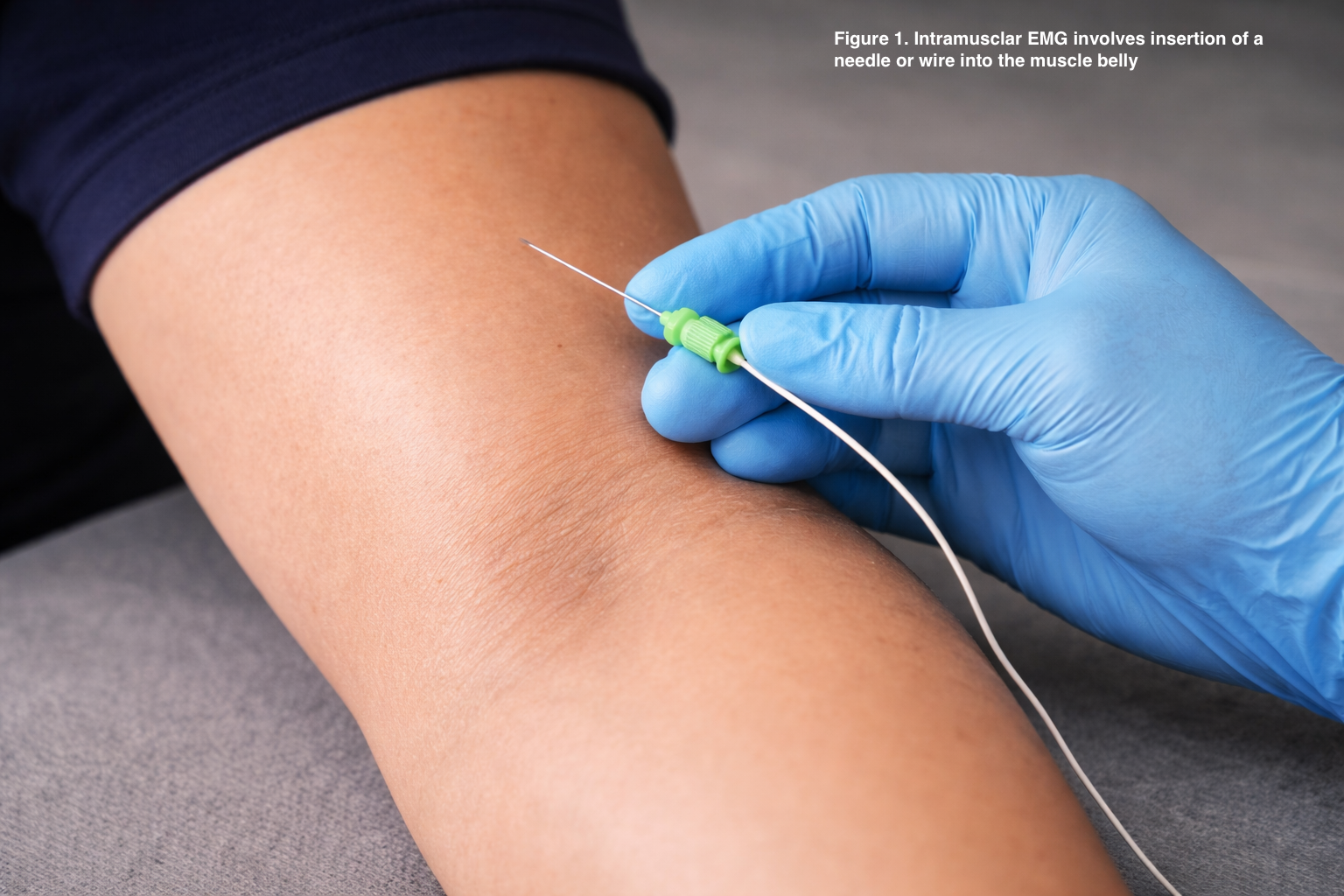
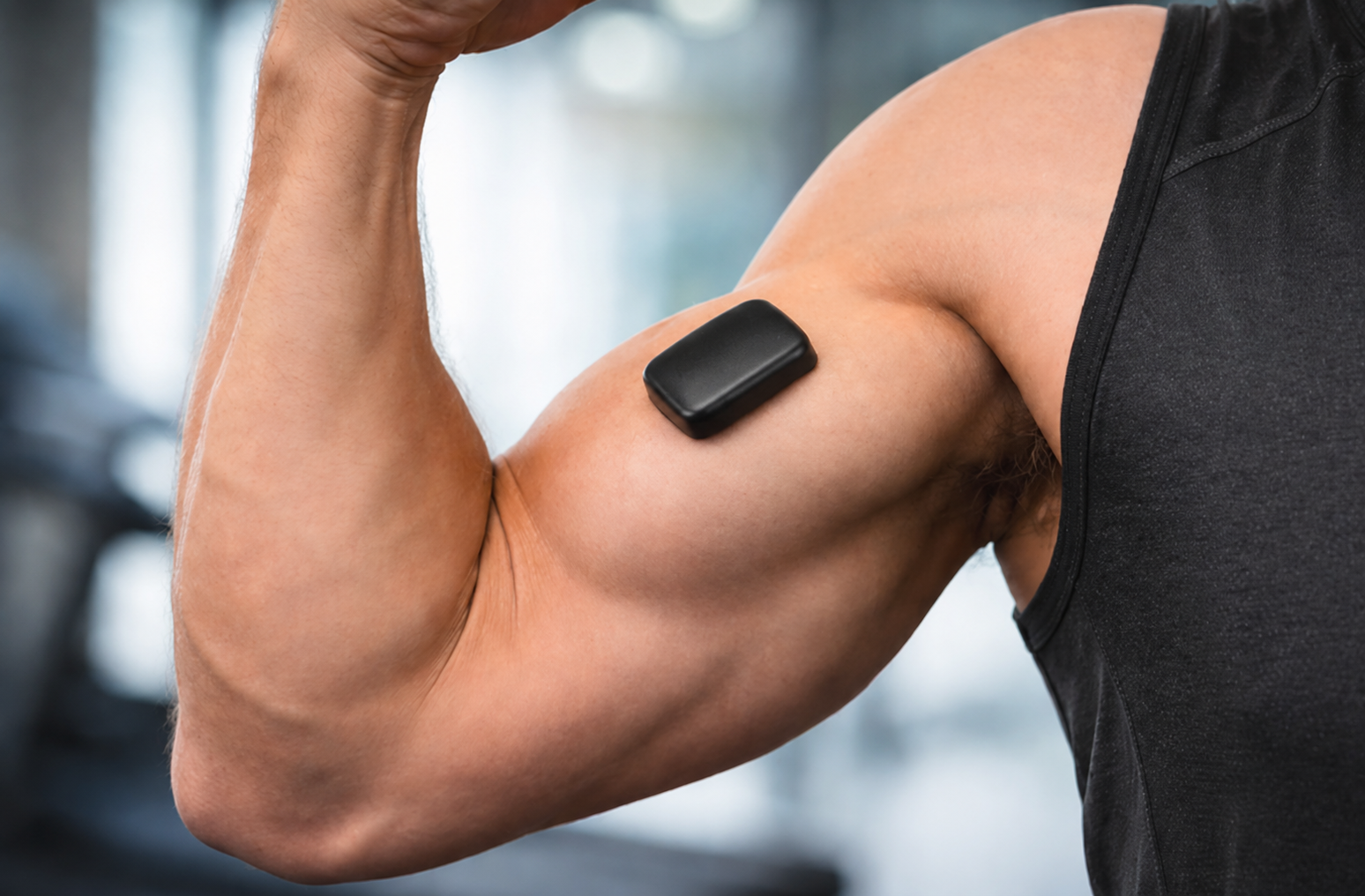
Choosing between surface and intramuscular (or indwelling) EMG is often framed as a question of accuracy. But in practice, it’s usually a question of suitability.
A strength and conditioning coach tracking hamstring activity during sprint training is trying to answer a very different question to a researcher investigating the behaviour of individual motor units during a controlled laboratory environment. Both might use EMG, but they need different information from it. Pick the wrong tool and you risk collecting data that cannot answer your question, whilst missing the information that would have been most useful.
The problem is that many users approach EMG with a hierarchy already fixed in their minds. Intramuscular EMG sits at the top; with surface EMG viewed as a less capable alternative. And when leading with this assumption, it becomes easy to dismiss surface EMG without even asking if it might be the better tool for the job.
Where the myth comes from
Want to continue reading?
Why this matters?
Choosing between surface and intramuscular (or indwelling) EMG is often framed as a question of accuracy. But in practice, it’s usually a question of suitability.
A strength and conditioning coach tracking hamstring activity during sprint training is trying to answer a very different question to a researcher investigating the behaviour of individual motor units during a controlled laboratory environment. Both might use EMG, but they need different information from it. Pick the wrong tool and you risk collecting data that cannot answer your question, whilst missing the information that would have been most useful.
The problem is that many users approach EMG with a hierarchy already fixed in their minds. Intramuscular EMG sits at the top; with surface EMG viewed as a less capable alternative. And when leading with this assumption, it becomes easy to dismiss surface EMG without even asking if it might be the better tool for the job.
Where the myth comes from
Reframing the myth
Want to go deeper?
One thing to take away
Surface EMG is not a lesser version of intramuscular EMG. The two techniques were developed to solve different problems. Each provides valuable information when used in the right context, and each comes with its own strengths and limitations. The most useful measurement is not always the one that collects the most detail. It is the one that answers the question you actually have.
The evidence-based education platform dedicated to EMG.
Designed for clinicians, researchers and performance professionals.